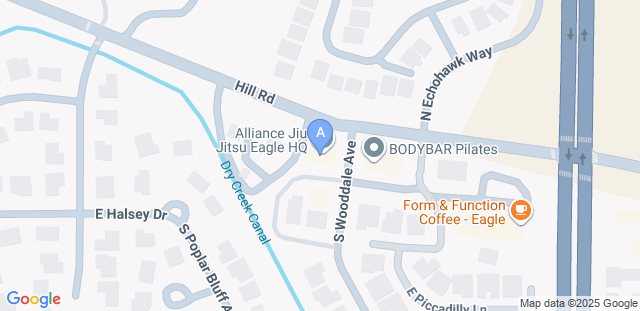
 Alliance JiuJitsu Eagle
Alliance Jiu-Jitsu Boise · Student Guide
The History Of Jiu—jitsu
From feudal Japan to the mats of Boise and Eagle, Idaho — understanding where
this art comes from makes every session richer.
The Roots
From Japan To Brazil & to Boise
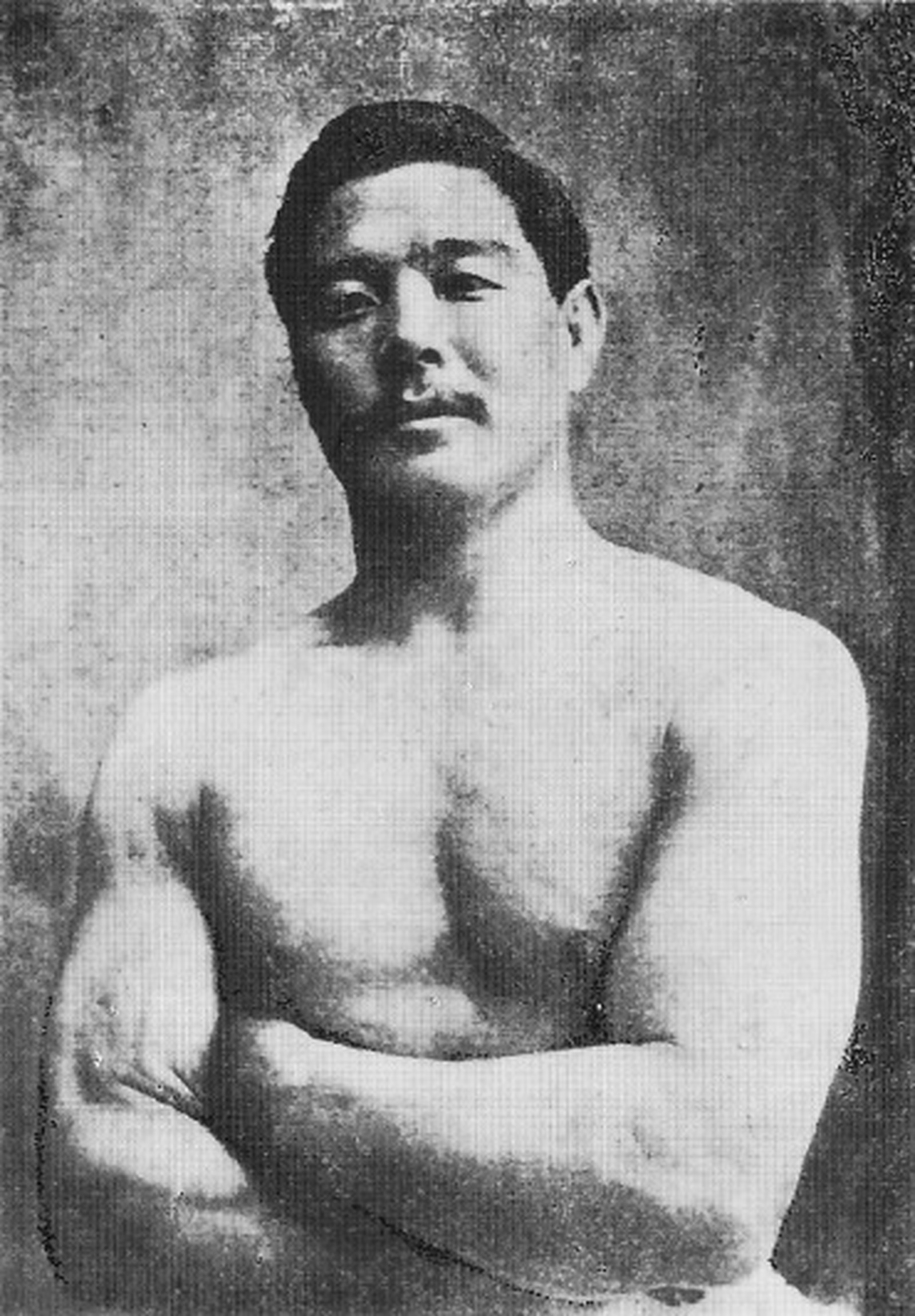
'Historical image of Mitsuyo Maeda (public domain).
Jiu-Jitsu's roots lie in feudal Japan, where samurai warriors developed unarmed combat systems built around leverage, joint locks, and ground control — techniques designed to allow a smaller fighter to neutralize a larger, stronger opponent without relying on brute force. This core principle is exactly what you experience on the mats at Alliance Jiu-Jitsu Boise today.
In the late 19th century, Jigoro Kano refined these ancient traditions into Judo. His most celebrated student, Mitsuyo Maeda — known as "Conde Koma" (Count of Combat) — traveled the world challenging fighters of every discipline, reportedly undefeated in over 1,000 bouts. In 1914, he arrived in Brazil, and everything changed.
In Belém, Maeda befriended businessman Gastão Gracie and, as a gesture of gratitude, began teaching his art to Gastão's eldest son Carlos. The lineage that would become Brazilian Jiu-Jitsu — and eventually reach the mats of Boise and Eagle — was set in motion.
The Revolution
The Gracie family & The Proof
Carlos Gracie shared Maeda's teachings with his brothers. His younger brother Hélio — smaller and physically weaker than most — became the true architect of modern Brazilian Jiu-Jitsu. Unable to rely on strength, Hélio refined every technique around leverage, timing, and positioning, making the art accessible to anyone, regardless of size or athletic background.
In 1925, the brothers opened their first academy in Rio de Janeiro, publicly challenging fighters of every style. Decades of open-challenge matches validated the system. The art remained largely unknown outside Brazil until 1993, when the Gracie family co-created the Ultimate Fighting Championship (UFC) — a no-rules tournament designed to answer a single question: which martial art actually works in a real fight?
Royce Gracie, at 178 lbs and one of the smallest competitors in the field, submitted three opponents in a single night to become the first UFC champion — throwing almost no punches. The world took notice, and JiuJitsu became a global phenomenon almost overnight.
A smaller, weaker person can successfully defend against a bigger, stronger opponent — using leverage and technique. Royce didn't just claim it. He proved it, live, in front of the world.
— The principle behind everything we practice at Alliance Jiu-Jitsu Boise
The Lineage
Rolls Gracie, Jacaré & The Road to your mat in Boise
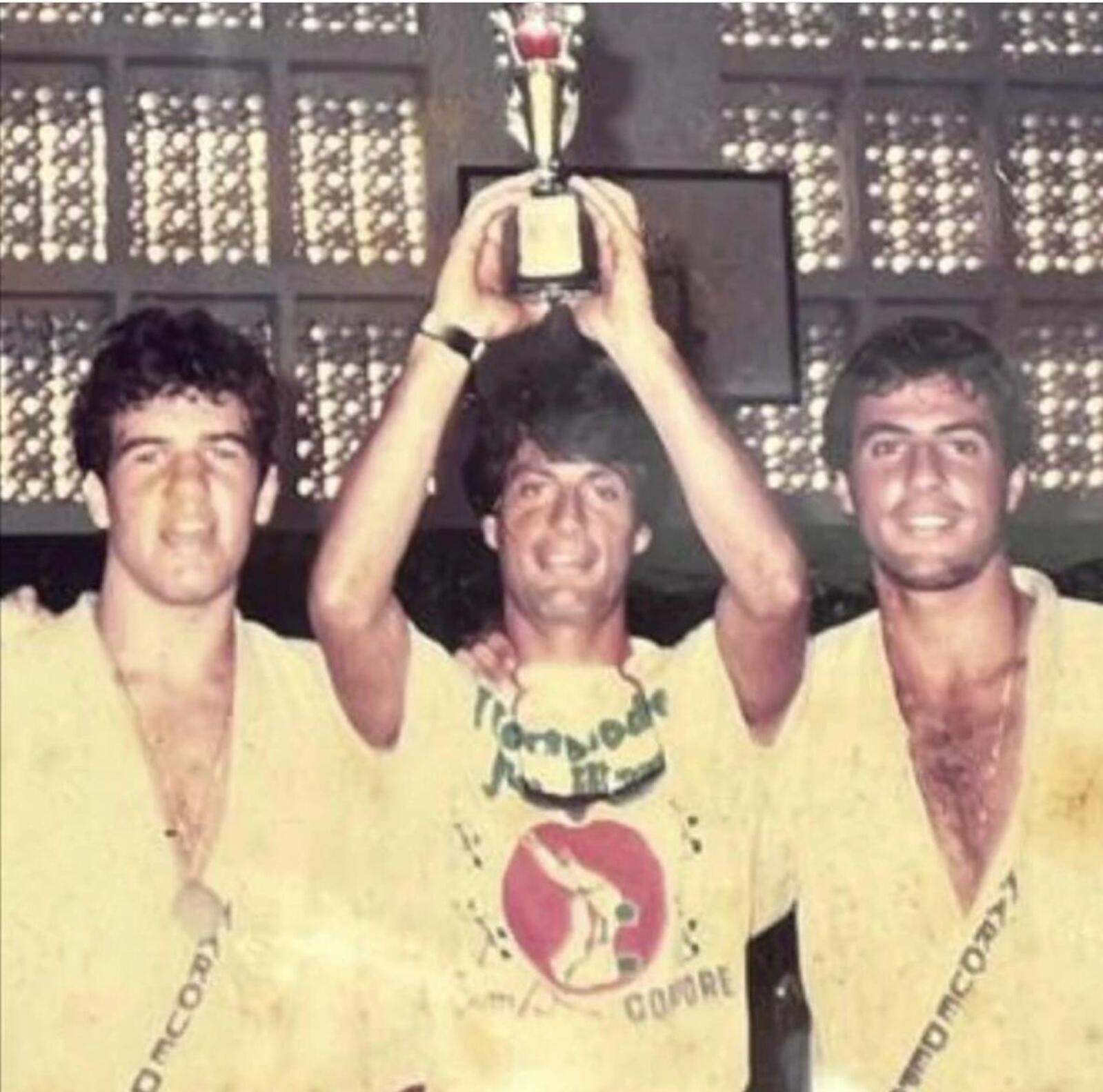
'Alliance co-founders
Romero "Jacaré" Cavalcanti, Fabio Gurgel, and Alexandre
"Gigi" Paiva
— Rio de Janeiro, 1980s. A decade before Alliance was
born.
Among the Gracie family's next generation, Rolls Gracie stood apart. Widely regarded as the most technically innovative practitioner of his era, Rolls cross-trained in wrestling, Judo, and Sambo — expanding Jiu-Jitsu's boundaries far beyond its original form. His influence on competitive BJJ was profound, and his students went on to shape the sport's entire modern era.
One of those students was Romero "Jacaré" Cavalcanti. Trained directly under Rolls, Jacaré carried that forward-thinking approach into his own teaching in Rio de Janeiro. In 1982, Rolls Gracie passed away in a hang gliding accident at just 31 years old — a loss that shook the entire Jiu-Jitsu community. Jacaré, already a black belt, continued building on what Rolls had started, ensuring the lineage lived on.
It was under Jacaré that a teenage Alexandre "Gigi" Paiva began training in 1983 — inheriting that complete lineage, earning his black belt in 1991, and co-founding Alliance two years later. Today, Master Gigi leads Alliance Jiu-Jitsu Boise — both Alliance Eagle and Alliance East Boise — bringing that unbroken tradition directly to Idaho.
MAEDA → CARLOS & HÉLIO GRACIE
Maeda teaches Carlos in Brazil. The Gracie brothers develop jiu-jitsu and open their first academy in Rio de Janeiro.
ROLLS GRACIE — THE INNOVATOR
The most technically advanced competitor of his generation expands Jiu-Jitsu's foundations. His student Jacaré Cavalcanti earns his black belt before Rolls' passing in 1982.
ALEXANDRE "GIGI" PAIVA TRAINS UNDER JACARÉ
A teenager in Rio begins his Jiu-Jitsu journey under Jacaré. He earns his black belt in 1991 and inherits the full Rolls Gracie lineage.
ALLIANCE FOUNDED · ROYCE WINS UFC 1
Jacaré, Gigi Paiva, Fabio Gurgel, and Fernando Gurgel found Alliance. That same year, Royce Gracie wins UFC 1 — putting Jiu-Jitsu on the global map.
ALLIANCE JIU-JITSU BOISE — EAGLE & EAST BOISE
Master Gigi Paiva and Prof. Victor Genovesi carry that unbroken lineage — Maeda → Gracie → Rolls → Jacaré → Gigi — directly to the mats of Boise and Eagle, Idaho.
Every time you step on the mat at Alliance Jiu-Jitsu Boise, you become part of a chain of instruction that connects directly to the origins of this art. That is not just history — it is the standard you train under.
— Alliance Jiu-Jitsu Boise · Eagle & East Boise